Free shipping on orders over $999. Only Email is live.


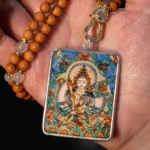
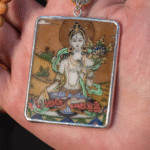
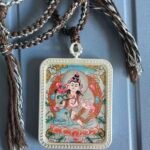
Yellow Jambhala Thangka: A Sacred Symbol of Prosperity and Generosity

A Yellow Jambhala thangka is a traditional Tibetan Buddhist painting representing the deity associated with prosperity, abundance, generosity, and the removal of material obstacles. Known as Dzambhala in Tibetan Buddhism, Yellow Jambhala is the most widely recognized of the five Jambhala manifestations. His image is not merely a symbol of wealth. It expresses the Buddhist teaching that material resources should support spiritual practice, compassionate action, and the welfare of all beings.

Yellow Jambhala is usually depicted with a golden-yellow body, seated majestically upon a lotus throne or a moon disc. His powerful form conveys dignity, confidence, and the ability to overcome poverty and misfortune. He often wears a jeweled crown, silk garments, necklaces, bracelets, and other ornaments. These precious decorations symbolize the richness of enlightened qualities rather than personal luxury.
In his right hand, Yellow Jambhala commonly holds a wish-fulfilling jewel or a citron fruit. The jewel represents the fulfillment of beneficial aspirations, while the fruit is associated with fertility, good fortune, and the rewards of virtuous conduct. In his left hand, he holds a mongoose that releases jewels from its mouth. In ancient Indian culture, the mongoose was regarded as an enemy of snakes, which were sometimes connected with hidden treasure and greed. In Buddhist art, the jewel-spitting mongoose therefore symbolizes generosity, the defeat of attachment, and the transformation of hoarded wealth into blessings shared with others.

The deity’s posture also carries meaning. His rounded body suggests abundance, stability, and inexhaustible merit. One foot may rest upon a conch shell, an object associated with the spreading of Buddhist wisdom. His facial expression can appear stern, reminding practitioners that harmful habits, selfishness, and fear must be confronted with courage.
Creating a Yellow Jambhala thangka requires patience, discipline, and knowledge of Buddhist iconography. Traditionally, artists follow precise proportions and symbolic guidelines passed down through established lineages. Natural mineral pigments, gold, and fine brushes may be used to produce brilliant colors and intricate details. After completion, a thangka may be consecrated by a qualified Buddhist teacher before being placed in a shrine or meditation space.
Practitioners may contemplate Yellow Jambhala while reciting prayers or mantras, seeking relief from financial hardship and conditions favorable to a meaningful life. However, the practice is not intended to encourage greed or endless consumption. Its deeper purpose is to cultivate generosity, ethical responsibility, gratitude, and freedom from anxiety about material needs.
For collectors and admirers, a Yellow Jambhala thangka combines artistic beauty with profound spiritual symbolism. Whether displayed as sacred art or studied as part of Himalayan culture, it offers a timeless message: true prosperity arises when resources are guided by wisdom and used compassionately for the benefit of others.