Free shipping on orders over $999. Only Email is live.

The Sacred Scroll Painting of Tibet

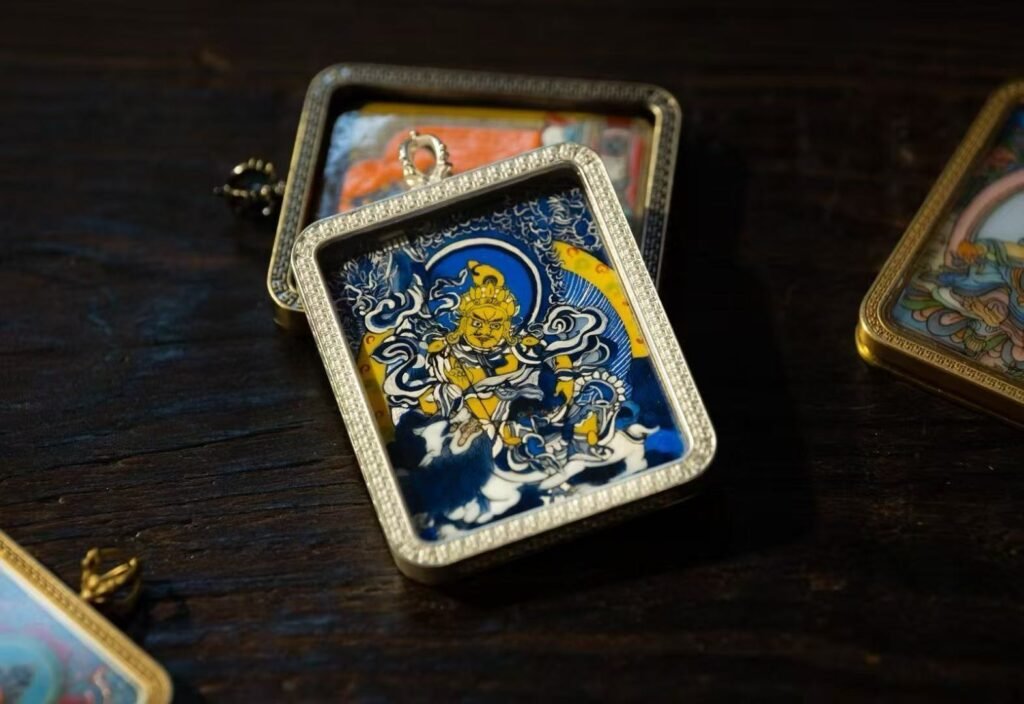
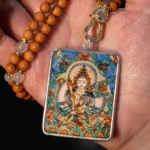
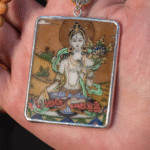
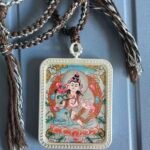
Thangka (唐卡), also spelled “Tangka” or “Tanka,” is a traditional Tibetan Buddhist painting art form that dates back over 1,300 years. The word “Thangka” literally means “recorded message” in Tibetan, reflecting its function as a portable Buddhist teaching tool.
Origins & History
Thangka originated in the Tibet Autonomous Region of China, with some scholars tracing its roots to the 7th century during the reign of King Songtsen Gampo. It evolved as a unique art form blending Nepali, Indian, Han Chinese, and Tibetan artistic traditions. For centuries, Thangka served as a primary medium for documenting Buddhist teachings, deity visualizations, and spiritual narratives in a culture where written records were scarce.
Materials & Craftsmanship
Traditional Thangka is painted on cotton or silk canvas using mineral pigments and organic dyes derived from precious materials such as gold, coral, turquoise, and malachite. The creation process is highly ritualistic—artists must undergo spiritual purification before painting. A single complex Thangka can take months or even years to complete.
Types of Thangka
- Buddha Figures: Representations of Shakyamuni Buddha, Maitreya, and other enlightened beings
- Mandala: Intricate circular diagrams representing the Buddhist cosmos
- Historical Figures: Portraits of renowned lamas and spiritual teachers
- Protective Deities: wrathful and compassionate guardians of Buddhist teachings
Preservation Today
Today, Thangka is recognized as a masterpiece of China’s intangible cultural heritage. Museums worldwide, including the Potala Palace in Lhasa and the British Museum in London, hold significant Thangka collections. Efforts to pass down this art form to younger generations continue across Tibet, Qinghai, Gansu, and Sichuan provinces.