Free shipping on orders over $999. Only Email is live.


The Craftsmanship Behind Thangka — Materials, Techniques, and Tradition

Creating a thangka is a painstaking process that can take anywhere from several weeks to several years, depending on the complexity of the design. The craft demands not only technical mastery but also deep spiritual devotion, as the artist approaches the work as a form of meditative practice rather than mere artistic endeavor. Every step of the process, from preparing the canvas to applying the final gold accents, follows methods passed down through generations of Tibetan master painters.
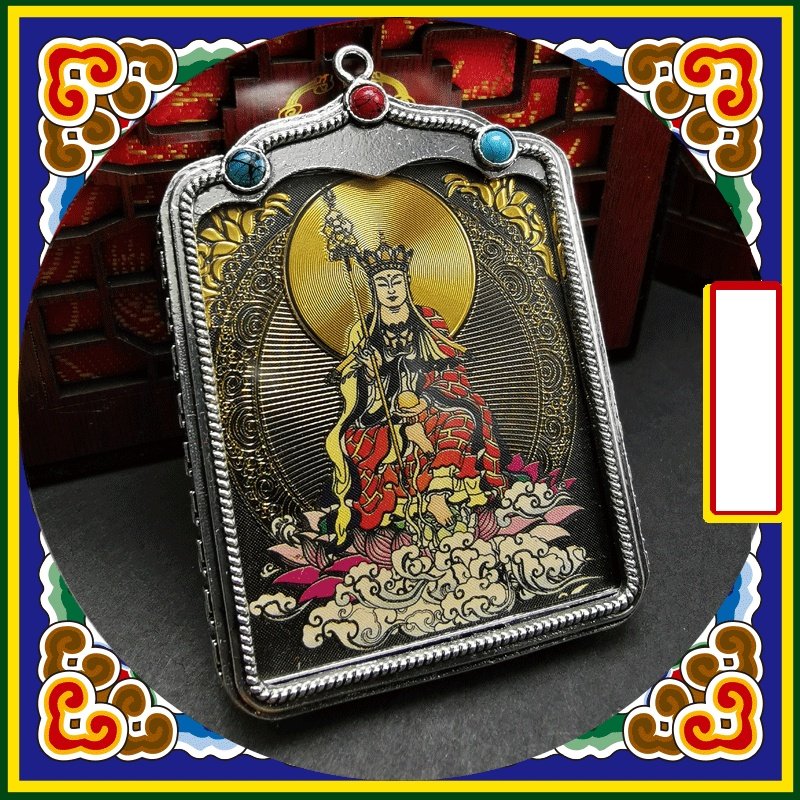
The foundation of a thangka is its canvas, traditionally made from cotton or linen. The cloth is treated with a mixture of animal hide glue and a white chalk-like substance, then polished until the surface is smooth and even. This preparation ensures that the subsequent layers of pigment will adhere properly and that the painting will endure for centuries. Once prepared, the artist traces the design onto the canvas using a preliminary sketch guided by the rigid geometric frameworks prescribed by Buddhist iconographic texts.
Pigments in traditional thangka are derived almost entirely from natural minerals and organic materials. Blues come from lapis lazuli and azurite; reds from cinnabar and iron oxide; greens from malachite; and yellows from orpiment and gamboge. Gold, considered essential for depicting the halos and ornaments of enlightened beings, is applied as a fine powder mixed with glue. These mineral pigments are ground by hand, mixed with water and a binding agent, and applied in multiple translucent layers to achieve the luminous quality characteristic of fine thangka.
The painting technique itself relies on fine brushes, often made from animal hair, with which the artist builds up layers of color with remarkable precision. Line work is executed with meticulous care, as the outlines define the forms of deities and sacred symbols. Shading is achieved through dry-brush techniques rather than gradients, lending thangka their distinctive flat yet textured appearance. Gold leaf is used extensively to highlight jewelry, garments, and the radiant halos of buddhas and bodhisattvas.
Finally, the completed painting is mounted on a textile border, often silk or brocade, and fitted with wooden dowels at top and bottom for easy display and handling. A protective textile cover, called a shtag, may be attached to shield the painting when not in active use. This framing process itself carries spiritual significance, transforming the painting into a sacred object ready for altars and shrines.