Free shipping on orders over $999. Only Email is live.

The Ancient Art of Thangka Painting

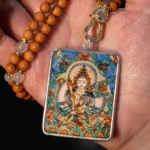
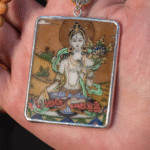
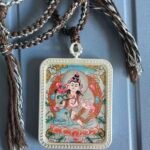
Thangka, also known as Tangka or Tangka, is a traditional Tibetan Buddhist painting that has been practiced for over a thousand years. These intricate scroll paintings serve as important visual teaching tools in Tibetan Buddhism, depicting deities, mandalas, and historical events.
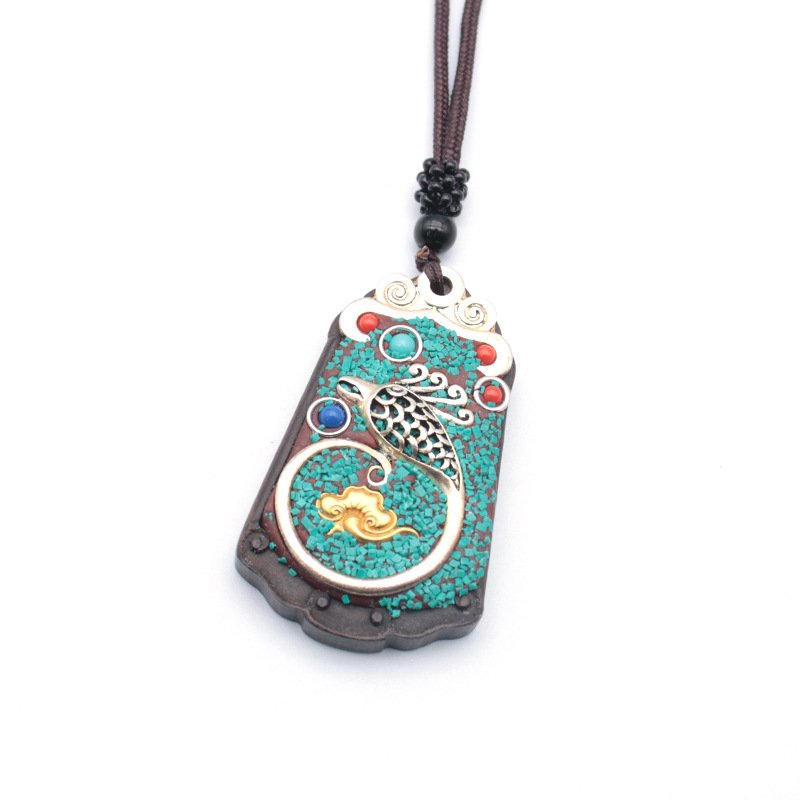
The creation of a Thangka is a deeply spiritual process. Artists must follow strict traditional guidelines regarding proportions, colors, and symbolic elements. Traditional Thangka painters often begin their training as young as twelve years old, learning to grind natural pigments made from minerals, plants, and even precious metals like gold.
The paintings typically depict Buddhist deities such as the Buddha, Tara, and various bodhisattvas. Mandala designs represent the universe and the spiritual journey toward enlightenment. Each element carries deep symbolic meaning—the colors, the gestures of the figures, and even the background patterns all serve specific spiritual purposes.
Today, Thangka painting continues to thrive in Tibet, Nepal, and among Tibetan communities worldwide. Contemporary artists balance respect for traditional techniques with personal artistic expression, ensuring this ancient art form remains vibrant in the modern world.