Free shipping on orders over $999. Only Email is live.


Preserving Ancient Thangkas — Restoration Challenges in the 21st Century

Across the Himalayas and in major museum collections worldwide, thousands of antique thangkas face a common threat: the slow deterioration of organic support fabrics, pigments, and binding media. The preservation of these works presents unique challenges that blend art history, chemistry, textile conservation, and Tibetan cultural sensitivity.
The primary structural threat comes from the cotton or silk backing on which most thangkas are mounted. Over decades, humidity fluctuations cause the fibers to become brittle, and poor-quality older mounts can accelerate damage to the painting surface itself. In high-altitude monasteries, extreme temperature variations between seasons place additional stress on layered materials.
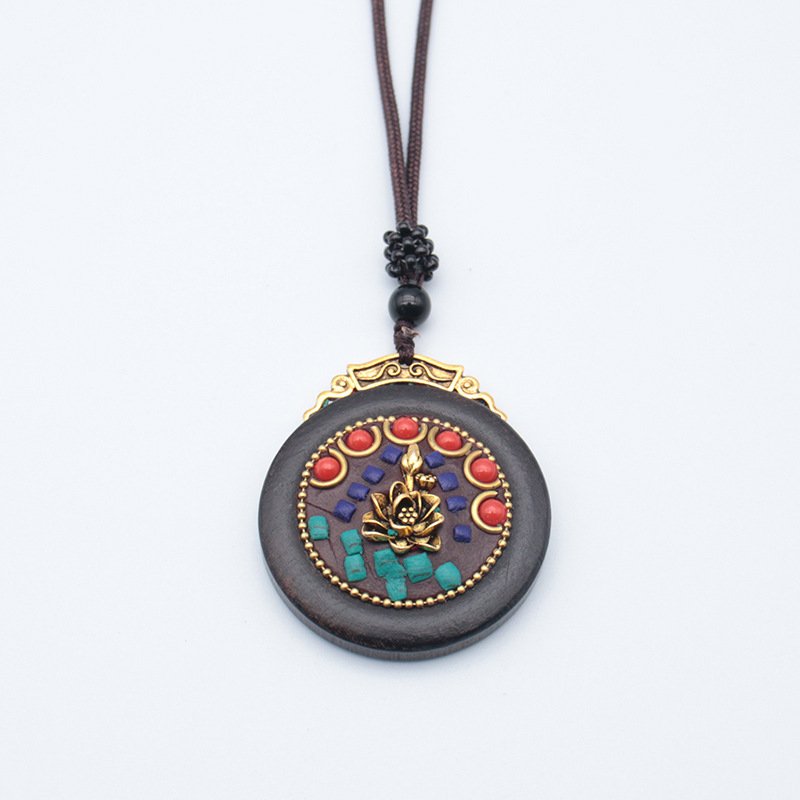
Restoration of thangka presents dilemmas rarely encountered in Western art conservation. Because thangka function as sacred objects in Tibetan Buddhist practice, improper handling—touching certain deity figures or mounting them in disrespectful positions—carries cultural and religious implications. Many monasteries now employ trained thangka conservators who understand both the material science and the spiritual protocols.
Museums holding significant thangka collections have pioneered conservation techniques adapted to these works. The British Museum, the Metropolitan Museum of Art, and the Asian Art Museum in San Francisco have each developed mounting systems that allow thangkas to be displayed flat or gently rolled without creasing, reducing stress on fragile areas. High-resolution digital photography now enables conservators to document condition changes over time with precision.
Chemical analysis has revealed unexpected vulnerabilities. Some thangka canvases treated with older pesticides—such as arsenic-based compounds once used to repel insects—now pose health risks to handlers. X-ray fluorescence and infrared spectroscopy have helped conservators identify original pigments and distinguish them from later overpainting, guiding decisions about what to preserve and what to reverse.
Digital archiving offers another avenue for preservation. High-fidelity digital reproductions allow monasteries and institutions to maintain records of works that may deteriorate beyond recovery, ensuring their visual legacy survives even if the physical object is lost.
The challenge ahead is training more conservators in thangka-specific techniques. As interest in Tibetan cultural heritage grows globally, the need for skilled practitioners who can straddle two worlds—Western conservation science and Tibetan Buddhist artistic tradition—has never been more urgent.