Free shipping on orders over $999. Only Email is live.

Four Major Schools of Thangka Painting

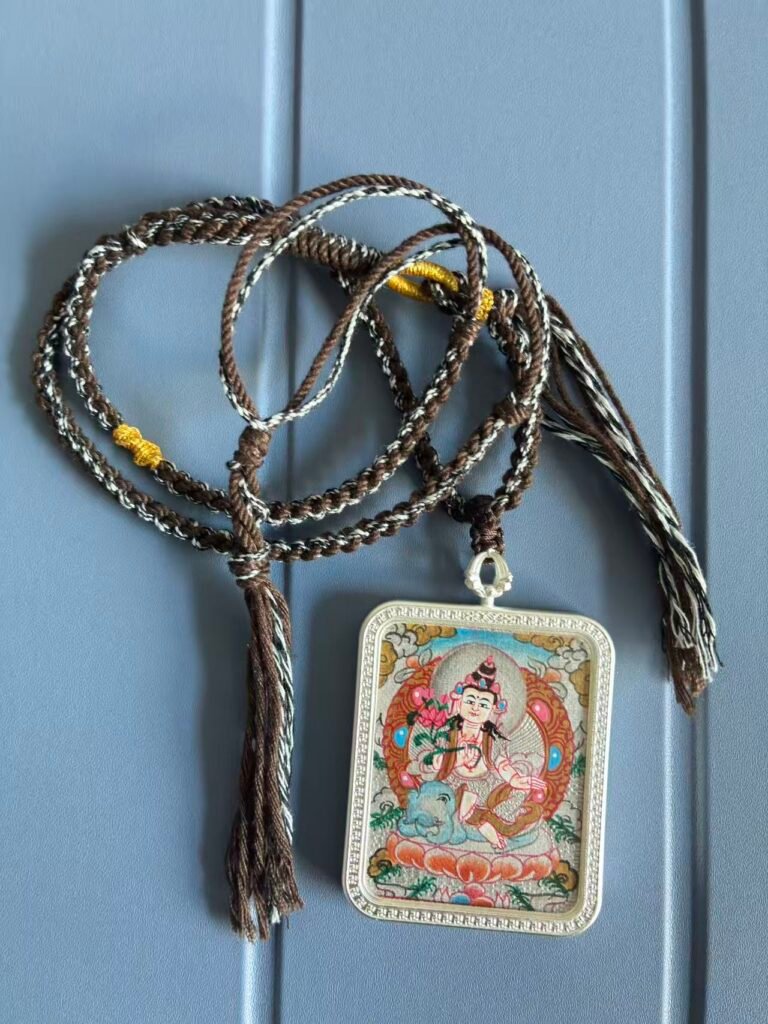
Over centuries, distinct regional styles emerged across the Tibetan cultural world. The four principal schools—each shaped by local monastic traditions, natural pigments, and artistic conventions—are:
1. Khyenri (Eastern Tibetan Style)
Originating in eastern Tibet, particularly the regions of Derge and Kamdo, Khyenri is considered the oldest surviving style. It features:
- Rich, warm color palettes dominated by reds, oranges, and golds
- Graceful, elongated human figures with elegant postures
- Elaborate natural backgrounds with birds, flowers, and clouds
- A distinctive linear drawing technique with strong outlines
2. Menri (Central Tibetan Style)
Developed by the monastery of Menri in central Tibet, this is the most widely practiced style today. It is characterized by:
- Symmetrical, balanced compositions
- Deep, jewel-toned colors including cobalt blue and emerald green
- Highly formalized iconography with strict adherence to Buddhist texts
- Stylized clouds, flames, and decorative borders called “pri”
3. Karma Gadri (Karma Gadri Style)
Centered in the Karma Gadri monasteries of eastern Tibet, this style blends Tibetan tradition with Chinese painting techniques:
- Delicate brushwork inspired by Han Chinese ink painting
- Soft gradients and atmospheric perspective
- Lush landscape backgrounds showing Chinese influence
- Richly decorated thrones and architectural elements
4. New Menri (New Menri Style)
A 20th-century evolution of the classical Menri style, developed to meet growing demand. It maintains traditional iconography while introducing:
- More vibrant synthetic pigments alongside traditional minerals
- Increased detail and decorative complexity
- Standardized sizes and formats for commercial production
- New subject matter including protector deities and historical scenes
Regional Variations
Beyond the four main schools, notable regional styles exist in:
- Amdo: Bold, rustic aesthetic with strong outlines
- Qinghai: Heavy Chinese and Mongolian influence
- Sichuan (Kham): Known for expressive portraiture and dramatic color
Today, contemporary Thangka artists continue to push boundaries while preserving centuries-old traditions, ensuring this sacred art form remains a living, breathing part of Tibetan Buddhist practice and Chinese cultural heritage.