Free shipping on orders over $399


The Art and Craftsmanship of Thangka

The creation of a thangka is a meticulous process that demands years of rigorous training, spiritual preparation, and artistic discipline. A master thangka painter, known as a lharipa, undergoes apprenticeship lasting anywhere from five to fifteen years before producing independent works. This extended training ensures that the artist not only masters the technical aspects but also develops the spiritual understanding necessary for this sacred craft.
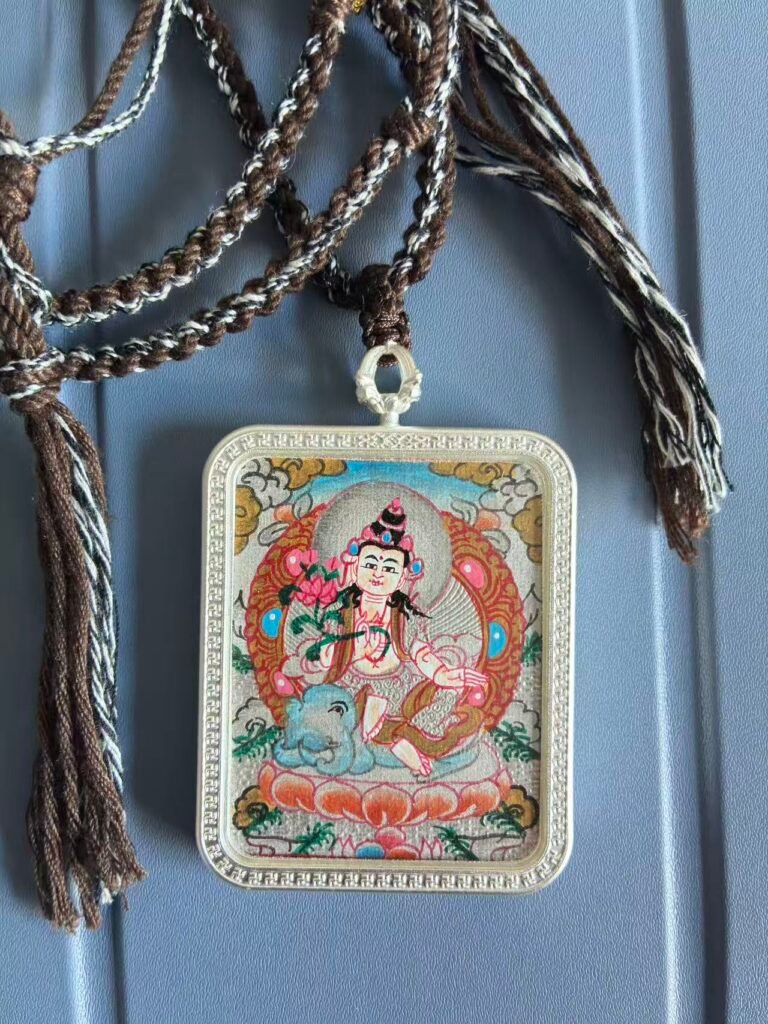
The process begins with the preparation of the canvas, typically woven cotton cloth treated with a mixture of animal glue and chalk powder. This ground layer creates a smooth, receptive surface and protects the fabric from the alkaline pigments. The cloth is stretched on a wooden frame and burnished until it achieves a uniform texture suitable for fine detail work.
Artists prepare their own pigments from natural minerals, plants, and precious materials. Gold leaf, ground from genuine gold, is used extensively for highlighting and outlining, while minerals such as azurite produce deep blues, malachite creates greens, and cinnabar yields rich reds. These pigments are mixed with a binding medium, traditionally the gallstone of fish, to ensure long-lasting adhesion and vibrant color.
The composition of a thangka follows strict iconometric guidelines, governed by religious texts that specify precise proportions for each deity. These proportions, measured in aung (a unit based on the width of the deity’s thumbnail), ensure uniformity across different works and preserve the symbolic integrity of each figure. The central deity, whether Buddha, bodhisattva, or protector, occupies the most prominent position, surrounded by associated figures, scenes, and symbolic elements arranged according to hierarchical principles.
Before painting begins, artists engage in spiritual practice, including meditation and ritual purification. Many follow dietary and behavioral restrictions during the creation process, viewing the work itself as a form of devotional practice. This spiritual dimension transforms the painting from a mere artistic exercise into a sacred act of devotion.
The final steps involve mounting the painting with silk or cotton borders, attaching wooden dowels at top and bottom for hanging, and often adding protective cover curtains. A completed thangka undergoes a consecration ceremony in which monks bless the work, inviting the presence of the depicted deity to inhabit the image.