Free shipping on orders over $999. Only Email is live.


Thangka in the Modern World — Tradition Meets Contemporary Relevance

As our world grows increasingly interconnected, the ancient art of Thangka faces both unprecedented opportunities and significant challenges. How this sacred tradition adapts will shape its survival for generations to come.
Global Spread and New Audiences
The expansion of Tibetan Buddhism worldwide has brought Thangka to new audiences across Europe, North America, and East Asia. Museums from the Metropolitan to the British Museum now showcase these works as masterpieces of world art. Contemporary practitioners meditate before Thangkas in meditation halls from New York to Singapore. This globalization has created new markets and support systems for artists, allowing traditional painting to remain a viable livelihood.
Commercialization and Authenticity
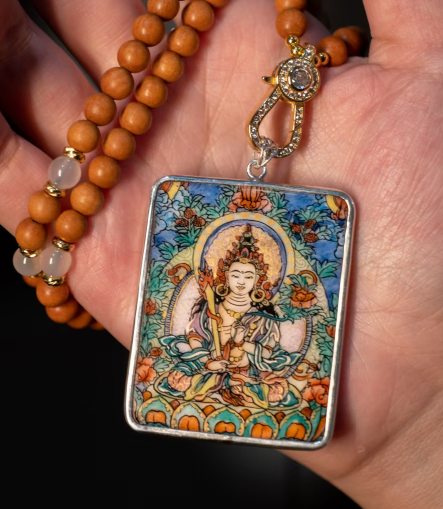
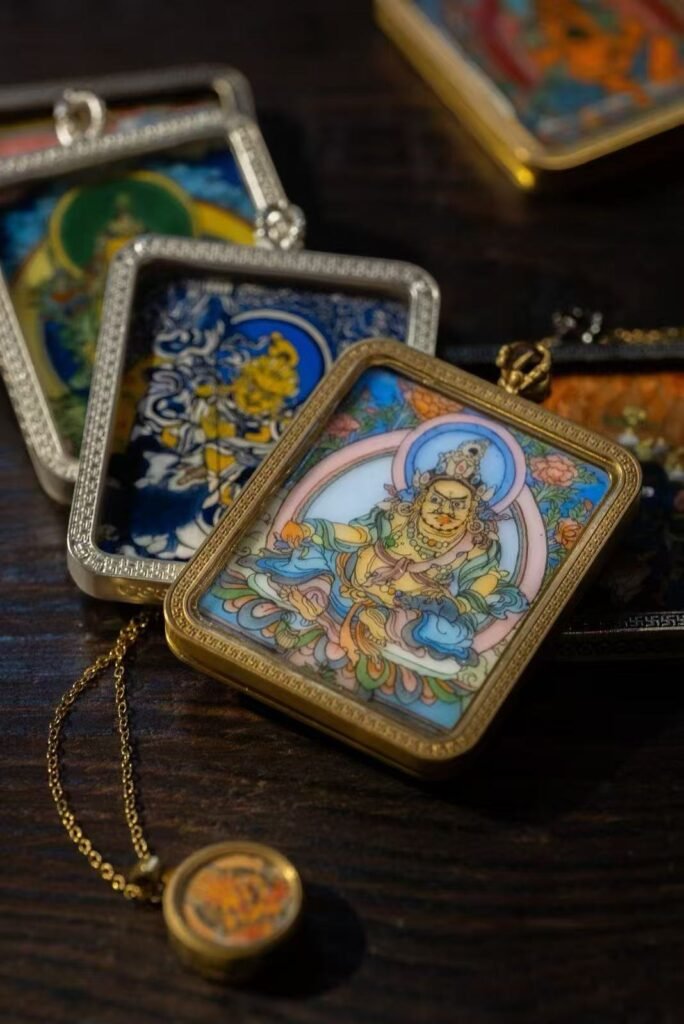
Yet this popularity brings concerns. Mass-produced “Thangka-style” prints, often created by workers with no Buddhist training or understanding, flood the souvenir market. Critics worry that commercial pressure may dilute artistic standards and spiritual authenticity. True Thangka creation remains a sacred act — artists often recite prayers before painting, and completed works are formally consecrated before use.
Digital Age Challenges
Technology presents both threats and tools. High-resolution photography allows detailed study of ancient Thangkas, but some argue that the physical, tactile presence of a real Thangka — its texture, its handmade imperfections — cannot be replicated digitally. Online platforms now connect buyers directly with Himalayan artists, bypassing traditional dealer networks.
Preservation and Education
Conservation efforts are underway to preserve ancient Thangkas in monasteries and museums worldwide. Documentation projects use advanced imaging to record fragile works before they deteriorate. Meanwhile, monasteries increasingly offer formal education programs, ensuring younger generations learn both artistic technique and the Buddhist philosophy underlying each brushstroke.
The Future of Sacred Art
As Thangka moves forward into an uncertain future, its core purpose remains unchanged: to awaken compassion, wisdom, and devotion in those who behold it. Whether hanging in a Himalayan monastery or a contemporary art gallery, the Thangka continues its ancient dialogue between human skill and divine inspiration — a conversation that has endured for over a millennium and shows no sign of fading.