Free shipping on orders over $999. Only Email is live.

The Sacred Art of Thangka — A Journey Through Time

Thangka, the intricate Buddhist scroll paintings of Tibet, represents one of humanity’s most profound artistic and spiritual traditions. These sacred artworks, typically made on cotton or silk appliqué, serve as powerful tools for meditation, teaching, and ritual practice across Tibetan Buddhist culture.
Origins and Historical Development
The origins of Thangka painting trace back to the 7th century when Buddhism first entered Tibet through the legendary Indian monk Padmasambhava. Early forms were relatively simple, but over centuries, a highly sophisticated artistic tradition emerged, influenced by Indian, Nepali, Chinese, and Central Asian aesthetics. The word “Thangka” itself derives from the Tibetan term “thang yig,” meaning a recorded narrative — a fitting name for paintings designed to preserve and transmit Buddhist teachings.
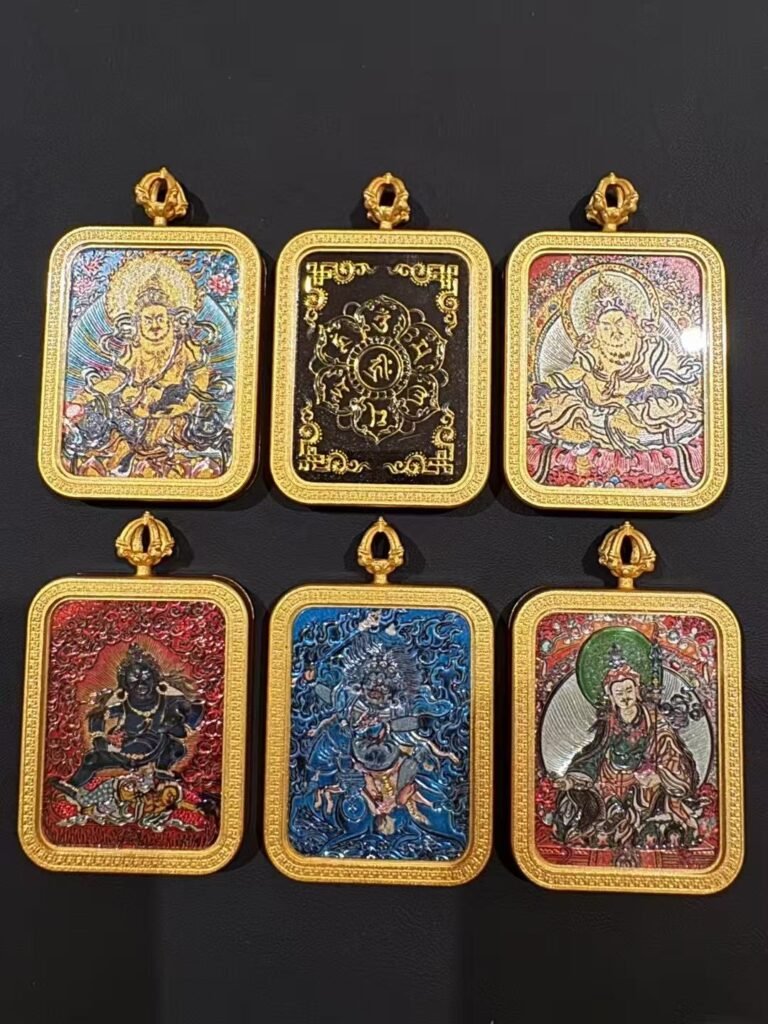
Symbolism and Iconography
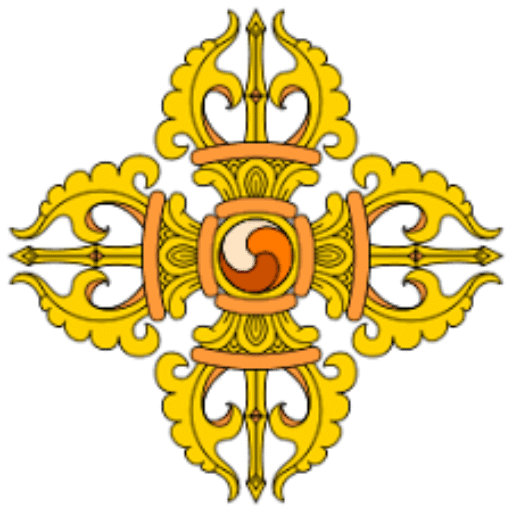
Every element within a Thangka carries deep symbolic meaning. The central figure, whether it be the Buddha, a Bodhisattva, or a protective deity, is surrounded by intricately painted disciples, lotus flowers, vajra crosses, and sacred geometry. Colors are never arbitrary: blue represents the sky and compassion, red denotes power and blessing, white embodies purity and peace. Practitioners believe that the act of creating and viewing Thangkas generates merit and spiritual advancement.
Preservation of a Living Tradition
Today, Thangka painting remains a living tradition. Master artists in Lhasa, Kathmandu, and throughout the Himalayan region continue to produce these works using methods passed down through generations. The creation of a single masterpiece can take months or even years, requiring years of apprenticeship and spiritual preparation. As Tibetan Buddhism spreads globally, Thangka has found appreciation far beyond its高原 homeland, bridging cultural boundaries while maintaining its sacred essence.