Free shipping on orders over $999. Only Email is live.

thangka is an art of painting

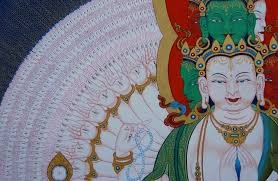
Thangka, a transliteration from Tibetan, is essentially a form of scroll painting. Its imagery is primarily religious in nature, representing a unique artistic tradition within Tibetan Buddhism. Thangkas embody distinct ethnic characteristics, strong religious symbolism, and a highly recognizable artistic style, and have long been regarded as precious cultural treasures. In Tibet, almost every monastery, shrine, monks’ quarters, and even the homes of devoted believers display at least one thangka.
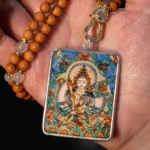
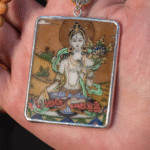
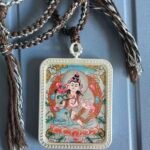
Based on materials and production methods, thangkas can be broadly divided into three major categories: painted thangkas, woven or embroidered thangkas, and ceramic-panel thangkas. According to subject matter, they include depictions of Buddhas, Bodhisattvas, Dharma Protectors, tutelary deities (yidams), mandalas, religious figures (such as lineage masters, the Dalai Lamas, the Panchen Lamas), as well as miscellaneous themes (astronomy, medicine, history, folklore, etc.). Approximately 80% of all thangkas are related to Tibetan Buddhism; even those illustrating Tibetan history or scientific knowledge retain a strong religious tone.
From a religious perspective, thangkas serve as tools for meditative visualization and for spreading Buddhist teachings. In the early stages of Buddhism, doctrinal concepts were relatively simple, but over a long process of development they gradually became increasingly complex. Without careful contemplation and introspection, such profound teachings are not easy to grasp. As a result, visual imagery (icons) plays an essential role in explaining these concepts, and is presented through the uniquely Tibetan religious scroll paintings known as thangkas.
Thangkas also serve as supports for meditative practice. In Tibetan Buddhism, gazing upon, visualizing, and paying homage to the central deity depicted in a thangka are considered vital methods of esoteric cultivation.